The SDLC methodologies adopted by an engineering organization dictate its project velocity, product quality, budget predictability, and responsiveness to market shifts. The Software Development Life Cycle provides the structured engineering framework required to guide an application from initial concept through design, implementation, testing, deployment, and ongoing maintenance.
1. The Six Phases of the Software Development Life Cycle
Regardless of the management methodology selected, every software initiative incorporates six foundational engineering stages:
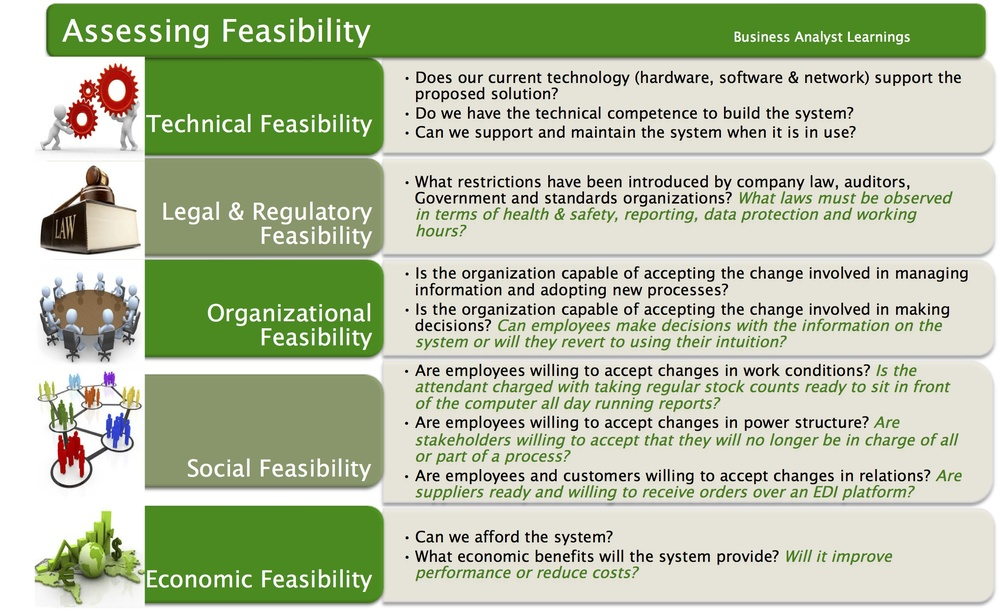
- Requirement Gathering & Feasibility: Defining functional and non-functional user requirements, business objectives, and regulatory compliance constraints.
- System Architecture & Design: Designing system architecture, entity-relationship diagrams (ERDs), API specifications, and interface wireframes.
- Implementation (Coding): Engineering teams write code following established architecture patterns, code reviews, and coding style guidelines.
- Testing & Quality Assurance: Executing unit, integration, regression, load, and automated security testing to detect and eradicate defects.
- Deployment: Deploying the verified build into staging and production environments via automated CI/CD pipelines.
- Maintenance & Operations: Continuous performance monitoring, bug fixes, security patches, and system optimization.
2. Sequential Frameworks: Waterfall and the V-Model
Sequential methodologies follow a linear, non-overlapping trajectory where each phase must be formally reviewed and signed off before the next begins:
- The Waterfall Model: The classic sequential model. Exceptionally disciplined, predictable, and simple to manage for projects with fixed scopes, unchangeable regulatory standards, and well-understood technologies (e.g., aerospace systems, medical devices). However, its rigidity makes adapting to mid-project requirement changes prohibitively expensive.
- The V-Model (Verification & Validation): Extends Waterfall by pairing each development phase directly with a corresponding testing phase (e.g., Requirements paired with User Acceptance Testing; Architecture paired with System Testing), emphasizing defect prevention early in the lifecycle.
3. Iterative and Agile Methodologies: Scrum & DSDM
Modern fast-paced software organizations embrace iterative, feedback-driven frameworks to mitigate uncertainty:
- Agile / Scrum: Deconstructs large product roadmaps into short, time-boxed increments called Sprints (typically 2 to 4 weeks). Cross-functional teams deliver functional, production-ready software increments at the end of each sprint, refining priorities based on real user feedback.
- Dynamic Systems Development Method (DSDM): An Agile framework emphasizing early business value delivery, continuous stakeholder involvement, and fixed time and cost constraints utilizing the MoSCoW prioritization model (Must have, Should have, Could have, Won’t have).
4. Comprehensive Comparison: Waterfall vs. Agile
| Dimension | Waterfall (Sequential) | Agile / Scrum (Iterative) |
|---|---|---|
| Approach to Change | Resistant; requires formal change control boards | Welcomes changing requirements even late in development |
| User Involvement | Concentrated at start and acceptance testing | Continuous collaboration in every sprint cycle |
| Working Software Delivery | Delivered at the very end of the project | Incremental working releases every 2 to 4 weeks |
| Testing Phase | Executes only after coding is 100% complete | Continuous and concurrent with feature coding |
| Risk Profile | High risk; fatal architectural flaws discovered late | Low risk; feedback surfaced early and continuously |
Frequently Asked Questions (FAQ)
When should an organization choose Waterfall over Agile?
Waterfall is ideal when requirements are strictly fixed and cannot change (such as regulatory compliance contracts, defense projects, or safety-critical embedded systems) where documentation and predictability outweigh adaptability.
What are the core ceremonies in Scrum?
Scrum revolves around four primary ceremonies: Sprint Planning, Daily Stand-up (Scrum), Sprint Review (demo), and the Sprint Retrospective (continuous process improvement).
How does DevOps intersect with SDLC methodologies?
DevOps is an operational and cultural philosophy that bridges the gap between software development and IT operations, automating the build, test, and deployment phases of the SDLC through continuous CI/CD pipelines.
Conclusion
Selecting between sequential and iterative SDLC methodologies is not a dogmatic choice; it is an objective business decision based on project volatility, customer collaboration, regulatory compliance, and delivery timelines. By matching project realities to the appropriate lifecycle model, engineering teams maximize delivery predictability and product quality.
DORA Metrics & Continuous Software Delivery Benchmarks
Evaluating the efficacy of software development lifecycle models requires objective engineering metrics. The DevOps Research and Assessment (DORA) framework provides four canonical benchmarks that differentiate elite engineering teams from low-performing organizations.
- Deployment Frequency: Elite teams push code to production on-demand multiple times daily, compared to monthly or quarterly release batches.
- Lead Time for Changes: The duration required for a committed line of code to reach production should average under one hour for automated delivery pipelines.
- Mean Time to Restore (MTTR): When an outage or regression occurs, automated canary rollback and automated health checks restore service in under an hour.
- Change Failure Rate (CFR): The percentage of deployments causing production degradation is maintained below 5% through comprehensive automated test suites.
Strategic Synthesis of SDLC Methodologies
No single software development lifecycle fits every enterprise context. While regulated safety-critical systems benefit from structured verification gates, consumer-facing digital platforms thrive on short iterative sprint loops and continuous deployment telemetry. The most effective engineering leaders select hybrid approaches that balance rapid customer feedback with architectural rigor and automated testing.