In modern corporate management, operational velocity, margin preservation, and long-term competitiveness depend upon accurate, real-time data. A Management Information System (MIS) is an integrated socio-technical platform that collects, processes, stores, and presents organizational data to support operational control, tactical management, and strategic decision-making across an enterprise.
1. The Three Tiers of Enterprise Information Systems
Information requirements vary fundamentally depending upon an individual’s management tier within the corporate hierarchy:
- Operational Level: Transaction Processing Systems (TPS): Records day-to-day routine operational transactions (e.g., supermarket point-of-sale checkouts, payroll processing, bank deposits). Prioritizes high throughput, data validation, and fault-tolerant record persistence.
- Tactical Level: Management Information Systems (MIS): Aggregates operational TPS data into structured periodic reports (e.g., regional monthly sales variance, inventory reorder notifications, department budget reports). Empowers middle managers monitoring operational targets.
- Strategic Level: Decision Support Systems (DSS) & Executive Support Systems (ESS): Equips senior executives with interactive predictive modeling tools, scenario simulations (“what-if” planning), and external competitive intelligence to steer corporate mergers, capital investments, and long-term product roadmaps.
2. The Five Pillars of a Robust MIS Architecture
A Management Information System is more than software; it unites five critical organizational pillars:
- Hardware: On-premise server clusters, cloud virtual machines, end-user laptops, mobile handhelds, and secure networking infrastructure.
- Software: Enterprise Resource Planning (ERP) platforms (SAP, Oracle), Database Management Systems (DBMS), and analytical business intelligence suites.
- Data: Real-time operational logs, customer account histories, and historical financial ledgers stored in centralized, normalized data repositories.
- Procedures: Standard Operating Procedures (SOPs), data governance frameworks, security guidelines, and compliance audit protocols.
- People: Systems architects, business analysts, department managers, and frontline operational employees who interact with system outputs daily.
3. Strategic Commercial Advantages of an Enterprise MIS
When properly configured and adopted, an enterprise MIS delivers measurable commercial dividends:
- Elimination of Information Silos: Unifies fragmented department data into a single source of organizational truth, eliminating conflicting reports between inventory, sales, and accounting.
- Accelerated Operational Velocity: Replaces error-prone manual spreadsheets with automated reporting pipelines, enabling managers to detect variances and take corrective action immediately.
- Enhanced Cost Control: Highlights resource waste, supplier price discrepancies, and production bottlenecks before small variances become financial crises.
- Elevated Customer Satisfaction: Equips sales and support representatives with instant 360-degree views of customer purchase histories and service tickets.
Frequently Asked Questions (FAQ)
What is the difference between TPS and MIS?
A TPS (Transaction Processing System) captures raw operational transaction data as it happens on the front lines. An MIS takes that raw TPS data, aggregates it, and generates structured analytical reports for management.
How does an MIS support strategic planning?
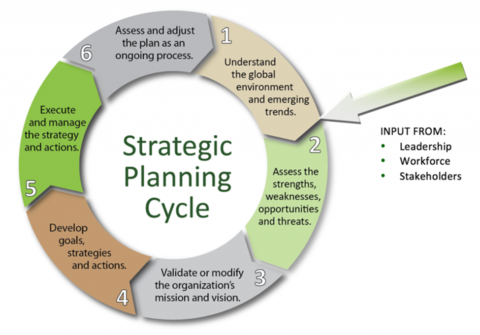
By providing executive leadership with historical trend analysis, departmental KPI variance, and predictive forecasting tools, an MIS allows executives to make evidence-based capital investments.
What are the biggest challenges in implementing an MIS?
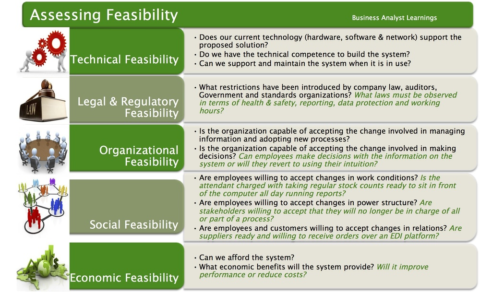
The primary challenges include employee resistance to new workflows, poor legacy data quality, scope creep during ERP integration, and inadequate staff training.
Conclusion
A well-architected Management Information System bridges the gap between everyday operational transactions and executive strategy. By investing in clean data pipelines, robust enterprise software, and user training, organizations achieve the transparency, agility, and operational discipline required to lead in competitive markets.
Disaster Recovery Planning & Business Continuity Metrics
Enterprise MIS architectures must maintain robust business continuity and disaster recovery (BCDR) provisions to ensure operational resilience in the face of infrastructure outages, ransomware, or natural disasters.
- Recovery Point Objective (RPO): The maximum acceptable age of files and transactional data that must be recovered from backup storage for normal operations to resume without data loss.
- Recovery Time Objective (RTO): The maximum acceptable duration of system downtime permitted before business operations suffer catastrophic financial or reputational damage.
- Automated Failover Drills: Regularly execute non-disruptive disaster recovery simulations to test offsite database replication, DNS redirection, and container orchestrator failover.
Executive MIS Strategic Summary
Management Information Systems transform disparate operational data points into strategic competitive advantages. By uniting enterprise resource planning, customer telemetry, and predictive financial models into centralized executive dashboards, leadership teams can make data-driven decisions with speed and confidence. Always ensure that enterprise reporting tools maintain direct lineage back to clean, normalized operational databases.
Strategic Implementation Checklist for CIOs
- Standardize cross-departmental data taxonomies before deploying centralized business intelligence reporting.
- Enforce role-based access control (RBAC) across executive dashboards to protect confidential financial metrics.
- Maintain redundant failover telemetry feeds to guarantee continuous operational visibility during cloud disruptions.
Ultimately, modern management information systems bridge the communication barrier between technical engineering units and corporate executive boards. By establishing continuous data auditing pipelines and clear architectural governance, organizations safeguard mission-critical data assets while driving sustainable enterprise growth.
Continuous stakeholder engagement and transparent IT performance metrics ensure that technological roadmaps remain synchronized with dynamic business market conditions and regulatory demands.