CLASSIFICATION OF THE TEAMS:
The nature of the team can be classified into many different categories the 4 main categories like different teams are cross-functional, virtual team, self-managed, and problem-solving. The nature of a problem-solving team is to solve a problem that arises and is hard to solve with a standard organizational structure and specific structure. This kind of team is normally cross-functional that is that members come from different areas of the organization. They all meet up to solve a certain kind of problem that they are being charged for. Similarly, virtual teams work is to work together using their techniques and have conferencing systems so that they can create the ability for employees to meet and make decisions without the need to come together in one place.
FORMAL AND INFORMAL ROLES OF THE TEAMS:
The informal settings of the team are made for social purposes. They can employees to go in pursuits for common concerns like improving their working conditions. The main aim of the team might not be similar to the organizations the team leaders are not made by anyone from the organization and they don’t have any pressure from the organization as they may not be appointed from among the organization. The formal settings team will have highly formal teams like those of military institutes and hospitals these teams have more formal settings because of the highly formalized requirements of the government
PURPOSE OF THE TEAMS:
The purpose of a team is to create a team that can provide you with more ideas and helps you in planning a certain task to solve problems that might arise and make decisions to make and serve customers more efficiently. Teams are made so that there can be a better understanding of decisions. A team is created so that the implementation of plans can be done better. Increase contributions to problem-solving so that there is more ownership of decision processes and changes.
PROBLEM-SOLVING BY THE TEAMS:
A group of people is made to come together to focus and work on a task that is having problems and is not being solved. Different people from different sectors of a company might be called to work on a particular task and to solve it. The nature of a problem-solving team is to solve a problem that arises and is hard to solve with a standard organizational structure and specific structure. This kind of team is normally cross-functional that is that members come from different areas of the organization. They all meet up to solve a certain kind of problem that they are being charged for.
ADAPTABILITY AND FLEXIBILITY OF THE TEAMS:
Adaptability means being able to adapt to different situations and changes an adaptable person will be easy and more efficient in working independently. The flexibility of a team should involve easily adapting to new situations and successfully to changing environments. Staying focused and being able to stay calm in hard situations. Also to stay ahead of everything having plans for the future but at the same time having alternative plans in case anything goes wrong. To have a good fast response to any difficulty that might arise all of a sudden and respond positively to changes in the environment and take on new challenges on very short notice and the team should be able to handle workloads and priorities.
LEADERSHIP IN A TEAM:
A team player is a person who willingly works in a corporation. A team player works in an organization as a member who works well for the team the characteristics of a team player are that they are committed and give their 100 percent to the tasks till it is completed. The team player should be very collaborative to get good results from other members as well. The team players should be dependable they should be responsible and have good judgment skills they should also be consistent in their job and know they are being accountable for their work.
SELECTION OF THE TEAM:
Teams can be selected by looking at their roles and what roles are the best to fit them. Connectors with good influence. Team members should be sharper they should get the work done no matter what; they should be able to implement plans without getting confused between plans. They should be able to focus on completing tasks and getting the loose ends all tied up.
IDENTIFICATION OF THE ABILITY OF THE TEAM MEMBERS:
The groups and team members need to be identified in their abilities and in what place can they are the most effective and which task is easier for the team.
ABILITIES OF THE MEMBERS:
The identity of the team member is needed so that the task to which he or she is appointed can be done easily. The team member should be loyal so that he or she doesn’t shift from your company to another in between work because if a task is abandoned in between the company might get affected. The team member’s health should be evaluated. If the team member has any issues regarding his health this might affect his tasks because he might not be able to complete a task on time and might delay a lot.
PLANNING OF THE ACTIONS:
The actions need to be planned to avoid any last-minute planning which might be so much effective and might cause problems later on.
WAYS OF COMMUNICATION:
The tasks need to be monitored and feedback is needed so that the team leader can look for any problems in tasks that might arise later.
TRAINING OF THE MEMBERS:
The coaching level should be up to the level of work so that the team leader can coach the teammates in case they need training on any different tasks which they are not familiar with.
EFFICIENCY CHECK:
Work effectively to realize innovative solutions that try to improve people’s quality of life and deliver them in due time in a professional manner. Ensure the well beings and continuing development of the team members.
LEADERSHIP SKILLS:
The team leader should inspire and motivate others and help them get back up if they feel like giving up on their job the team leader should display high integrity and honesty in his work because his team will see and follow him later on and so he can be an example later on. The team leader should be all transparent so that everyone is frank with him and can tell him everything.
PROBLEMS SOLVING:
Firstly the problems are needed to be identified this is the first stage of any problem-solving. The structure of the problem needs to be identified so that it can be solved accordingly. Then looking for possible solutions need to be done. The easier the solution the easier it is to solve for this the team needs to find solutions and solve the problems they need to decide on how to solve a problem by looking at the company’s policies and then solving them according to the company’s policies. Then implementation is done on the plan which is made to solve a certain problem. Monitoring is done by the team leader so that he can assess everything properly and then help them and guide them accordingly.
PLANNING AND IMPLEMENTATION:
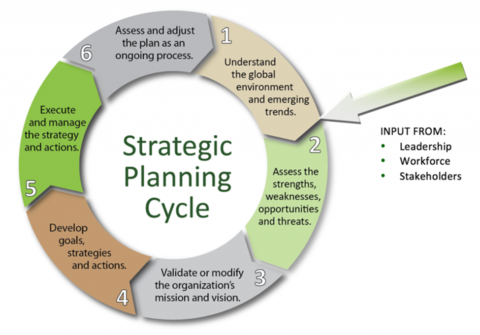
Every operation done in a company is done by implementing plans firstly a plan is made which includes the time it needs to be done and then ideas are given by different people to help in completing a certain task. Information is collected on the problems and a plan is made and implemented to solve them. Solutions development methodology focuses upon the framework of problem-solving within software development. Successful solutions development methodology implementation often is cited as one of the challenges a project manager may face. A solutions development methodology often has several features. The time scale for each operation should be made accordingly so that it is enough for the team members to work on and it is not long enough to keep the company hanging on a certain problem for a longer period.
STRATEGIES:
Problem-solving strategies are commonplace in business and the right tool must be used for the specific problem at hand. Process improvement and effective problem-solving strategies are two weaknesses of many companies. Every company has problems. The difference between outstanding, world-class performers and the average companies is how well they react to issues when they arise. More importantly, how well they put to bed issues that have risen, so they do not come back. Implementation can be of many different methods depending on the type of problem.