


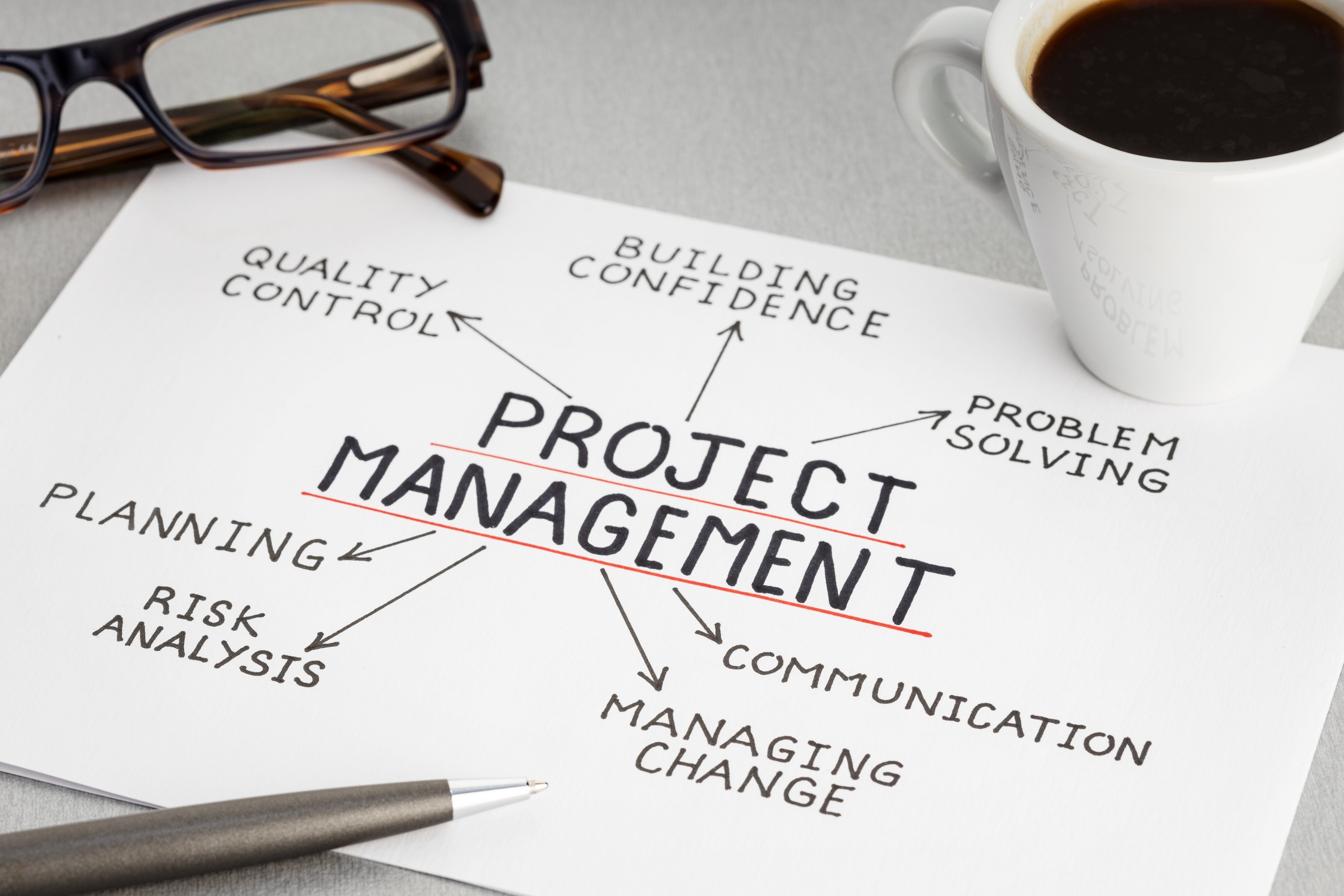
Introduction:
Project management is a crucial aspect of any organization as it helps achieve the goals and objectives in a timely and effective manner. A project is a temporary endeavor that is designed to produce a unique product, service or result, with a defined beginning and end, carried out by a team of people to meet specific goals and objectives. The project manager is responsible for the successful delivery of the project, and this requires a systematic approach to project planning and resource management. This article provides a comprehensive guide to project management, including the project lifecycle, planning, and resource management.
Project Lifecycle:
The project lifecycle is a standard process used by all project managers when executing a project. The lifecycle typically consists of five stages, including initiation, planning, execution, monitoring, and closing.
1. Initiation Stage: This is the stage where the objectives and goals of the project need to be defined. A feasibility study is conducted to investigate the objectives of the project, including the purpose, vision, mission, measurable objectives, success criteria, and risks associated with the project. Once approved by the project manager, the project moves into the detailed planning phase.
2. Planning Stage: The planning stage is where a detailed strategy is laid down as to how the project needs to be executed and what factors will make it a success. All the tasks and resources that are required to make the project a success are identified, and a detailed project plan is created.
3. Execution Stage: During this stage, the project plans are put into action. The progress of the project needs to be monitored, and appropriate adjustments are to be made if required. Regular team meetings are held to inform all stakeholders about the progress of the project.
4. Monitoring Stage: This stage involves monitoring the progress of the project and making necessary adjustments to ensure the project stays on track. This includes monitoring the budget, schedule, and resources.
5. Closing Stage: During this final phase of the project, there is an increased emphasis on releasing the final deliverables to the customers/clients. This includes terminating contracts with suppliers, releasing project resources, handing over all documents to the business, and communicating the closing status of the project to all stakeholders.
Planning and Resource Management:
Effective planning and resource management are critical for the success of any project. The project manager requires various resources to carry out the project tasks, including people, facilities, equipment, and funding. The lack of these resources can be a hindrance to the successful completion of the project. The following are some essential resources that a project manager requires:
1. Information: The project manager needs to have all the information regarding the project, including client expectations, issues, and conflicts that may have arisen during the execution of the project. The project manager needs to resolve these issues and ensure the project is completed effectively.
2. Team Building: The project manager is responsible for building the project team. They need to hire a team and assign clearly defined tasks to team members to be productive. A good project manager will manage the team in a way that they are happy and remain productive. This includes team-building exercises that are designed to boost team morale.
3. Equipment: The project manager requires access to equipment, including hardware and software, and must ensure that it is utilized optimally.
4. Finance: Finance is one of the key aspects of a project without which no amount of effort will make the project successful. The project manager needs to budget, account, prepare a financial report, audit, procure, disburse, and monitor the actual performance of the project.
Project Planning and Designing:
Project planning and designing are crucial steps for successful project completion. These steps include project specifications, risk management, and a detailed project plan. The project specifications document outlines the expectations and goals of the project. It includes identifying stakeholders, project deliverables, and ethical guidelines, among others. Risk management is the process of identifying, categorizing, prioritizing, and planning for risks before they become issues. The detailed project plan includes the project name, manager, business case requirements, project scope, stakeholders, deliverables, benefits, success factors, constraints, ethical issues, and consequences of failure to hit deadlines.
Project specifications are critical as they identify the stakeholders, project deliverables, benefits, success factors, and constraints, among other things. By having all these details outlined in a document, the project manager can communicate effectively with all stakeholders and have a clear roadmap for project success. The document can also serve as a reference point for future projects, providing a guiding light and example for upcoming projects.
Risk management is an essential part of project planning and design. It involves identifying, categorizing, prioritizing, and planning for risks before they become issues. By having a plan in place, project managers can mitigate risks and reduce the impact of any issues that may arise. Risk management can mean different things for different projects. Still, the bottom line is to identify all possible risks and have a strategy in place to manage them effectively.
A detailed project plan is a comprehensive document that outlines all aspects of the project. It includes the project name, manager, business case requirements, project scope, stakeholders, deliverables, benefits, success factors, constraints, ethical issues, and consequences of failure to hit deadlines. The plan should be comprehensive and detailed, covering all aspects of the project, from start to finish. The plan should also be flexible enough to accommodate any changes that may arise during the project.
Moreover, project planning and designing are essential for the success of any project. Project specifications, risk management, and a detailed project plan are critical components of project planning and design. By having all these aspects outlined and planned for, project managers can mitigate risks and ensure project success. A well-planned and designed project can also serve as a reference point for future projects, providing a roadmap and guiding light for upcoming projects.
Implementing and Carrying out the Project: Installing IT infrastructure at a Construction Site
As a project manager, overseeing the implementation of IT infrastructure at a construction site can be a daunting task. From developing the plan to executing it, there are several challenges that need to be addressed to ensure the project is delivered within the specified timeline and budget. In this article, we will discuss the steps involved in implementing and carrying out the project of installing IT infrastructure at a construction site.
The first step in any project is planning. The project plan should include a detailed breakdown of tasks and milestones to be completed. As a project manager, it is essential to ensure that the plan is followed, and any discrepancies are documented. In the case of IT infrastructure installation, this includes overseeing the installation of wires and developing the data center. The plan should be reviewed and adapted as the project progresses, and circumstances change.
The next step is to ensure that everyone involved in the project is on the same page. A meeting should be held before laying the foundation of the construction site to explain the feasibility, budget, and expectations. The project manager should be in contact with locals to ensure that they are not affected by the construction activity. The stakeholders should be informed every day to prevent any information gap that could cause delays in the project.
The implementation of the project involves installing cameras, both indoor and outdoor. The cables must be installed throughout the site, and a network diagram must be created for the wiring of cameras. Health and safety should also be taken into account, with safety gear used at all times.
During the project, it is essential to review the progress against the project plan regularly. Any setbacks should be efficiently dealt with, and a contingency plan should be in place to mitigate any risks. The resources allocated to the project should be utilized fully, with any additional material needed accounted for in the budget.
In the case of installing IT infrastructure at a construction site, weather conditions can be a significant cause of delay. It is essential to account for weather conditions in the initial stages of the project, but unexpected weather patterns can cause delays. In such cases, the project manager should be flexible and postpone the construction work until the weather improves.
In conclusion, implementing and carrying out the project of installing IT infrastructure at a construction site requires detailed planning, efficient execution, and continuous review. The project manager should ensure that everyone involved in the project is on the same page, and the stakeholders are informed regularly. It is essential to review the progress against the project plan and adapt it as needed. With efficient management, such projects can be completed within the specified timeline and budget, giving the team the confidence to take on similar projects in the future.


